
How to Ensure Secure Business Transactions in Germany
MH
Understanding the Legal Framework in Germany
Ensuring secure business transactions in Germany begins with understanding the country's legal framework. Germany is known for its robust legal system that provides a solid foundation for conducting business. The German Civil Code (Bürgerliches Gesetzbuch, BGB) and the Commercial Code (Handelsgesetzbuch, HGB) are two key pieces of legislation that govern commercial activities. Familiarity with these laws helps businesses operate within legal boundaries and protect their interests.

Businesses should also be aware of the General Data Protection Regulation (GDPR), which lays down stringent rules for data protection and privacy. Compliance with GDPR is crucial, as failure to adhere can result in hefty fines. Partnering with legal experts who specialize in German business law can provide valuable guidance in navigating these regulations.
Implementing Secure Payment Solutions
Another critical aspect of secure business transactions in Germany is the implementation of secure payment solutions. With the rise of digital payments, ensuring that transactions are secure is paramount. Businesses should opt for reputable payment gateways that offer features such as encryption, tokenization, and fraud detection to safeguard financial data.
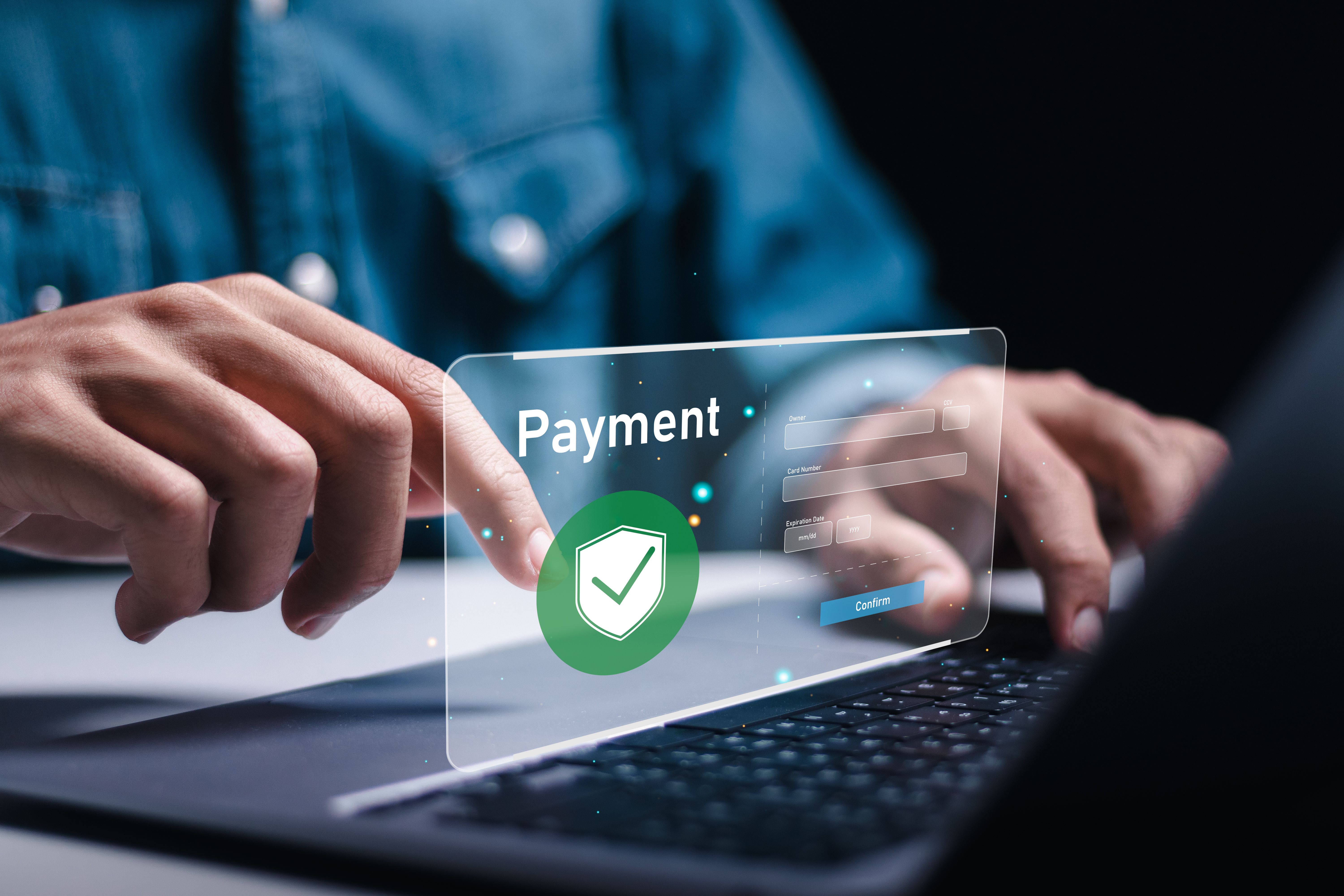
Offering multiple payment options like bank transfers, credit card payments, and e-wallets can also enhance security by catering to different customer preferences and reducing reliance on a single payment method. Ensuring that these systems are PCI-DSS compliant is essential for maintaining security standards.
Conducting Thorough Due Diligence
Conducting thorough due diligence on potential business partners is another essential step in ensuring secure transactions. This involves verifying the credibility and financial stability of the other party before entering into any agreements. Businesses can perform background checks, request financial statements, and seek references to assess the reliability of potential partners.

Due diligence helps identify any potential risks and reduces the likelihood of fraud or non-performance. It also demonstrates a commitment to responsible business practices, which can enhance a company's reputation and build trust with stakeholders.
Utilizing Secure Communication Channels
Secure communication is vital for protecting sensitive information during business transactions. Companies should use encrypted communication channels such as secure email services and VPNs to prevent unauthorized access to confidential data. Implementing secure document sharing platforms can also ensure that sensitive documents are exchanged safely.
Training employees on best practices for digital communication security, such as recognizing phishing attempts and using strong passwords, can further enhance security measures. Regular audits of communication systems can help identify vulnerabilities and ensure that all channels remain secure.
Regular Monitoring and Compliance Checks
Regular monitoring and compliance checks are essential to maintaining secure business transactions. Businesses should establish internal controls and conduct routine audits to ensure compliance with relevant laws and regulations. This proactive approach helps identify any discrepancies early and allows companies to take corrective action swiftly.

Investing in cybersecurity measures such as firewalls, intrusion detection systems, and antivirus software can also protect against cyber threats. Staying informed about the latest security trends and engaging with cybersecurity professionals can further bolster a company's defense against potential breaches.
In conclusion, ensuring secure business transactions in Germany requires a multifaceted approach that encompasses legal compliance, secure payment solutions, diligent partner vetting, secure communication, and regular monitoring. By prioritizing these elements, businesses can mitigate risks and build a strong foundation for successful operations in Germany's dynamic market.