
Essential E-Commerce Payment Integration Strategies for Small Businesses
MH
In the rapidly evolving world of e-commerce, small businesses must adapt to new technologies to remain competitive. One of the most crucial aspects of running an online store is implementing efficient payment integration strategies. These strategies not only enhance user experience but also boost sales and customer satisfaction.

Understanding Payment Integration
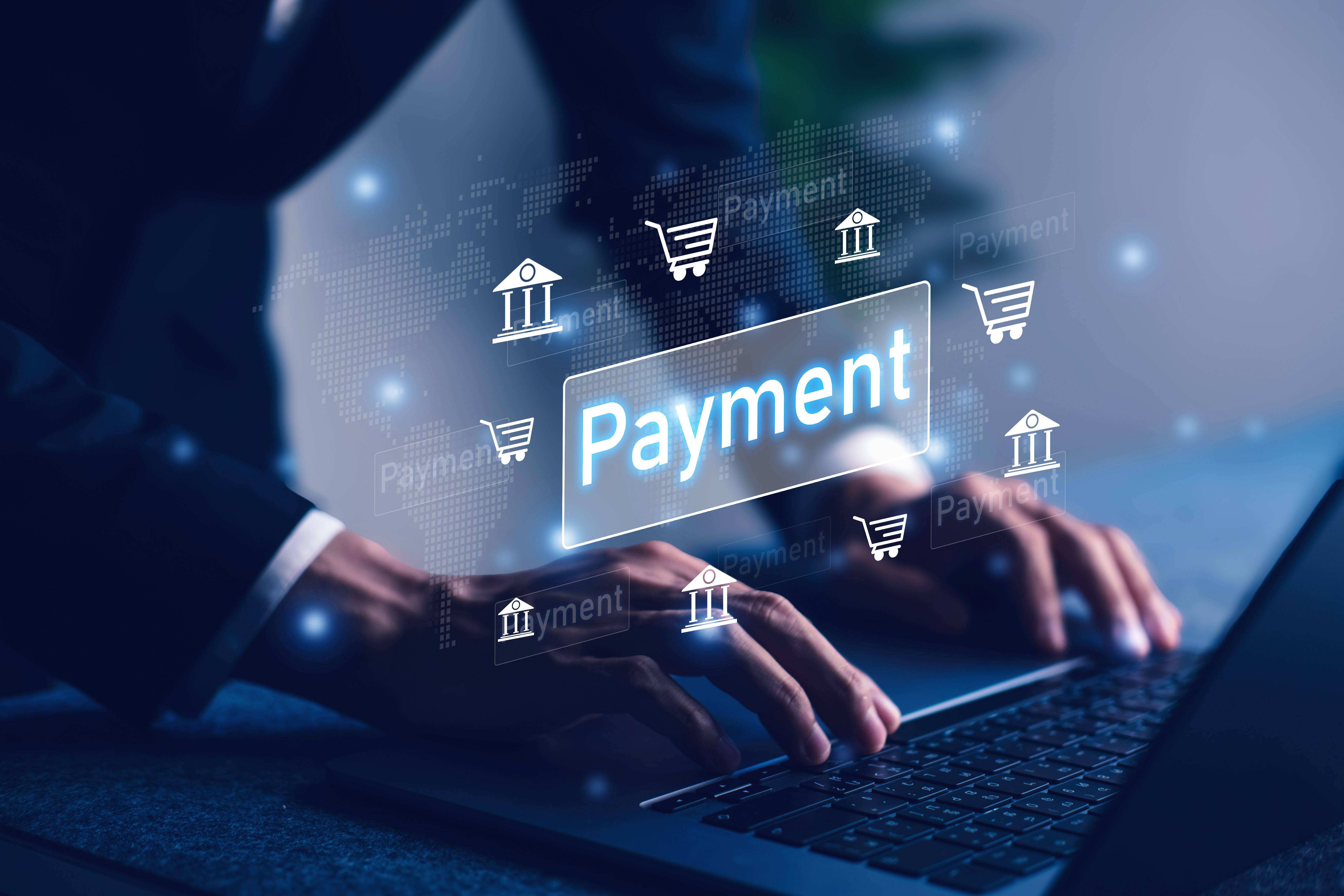
Payment integration refers to the process of connecting an online store with payment gateways, enabling seamless transactions between customers and businesses. For small businesses, choosing the right payment integration strategy can be a game-changer. It’s essential to understand the different options available and select one that aligns with your business goals.
Choosing the Right Payment Gateway
A payment gateway acts as a bridge between your website and the financial institutions involved in the transaction. When selecting a payment gateway, consider factors such as transaction fees, security features, and ease of integration. Popular options include PayPal, Stripe, and Square, each offering unique benefits for small businesses.
Security and Compliance
Security is a significant concern for customers when shopping online. Ensuring that your payment integration strategy includes robust security measures is essential. Implementing SSL certificates, PCI compliance, and encryption technologies can help build trust with your customers and protect sensitive information.
Offering Multiple Payment Options
Providing multiple payment options can significantly enhance the user experience. By offering a variety of choices such as credit cards, digital wallets, and even cryptocurrencies, you cater to a broader audience. This flexibility can lead to increased conversions and customer satisfaction.

Mobile Payment Integration
With the increasing use of smartphones for online shopping, integrating mobile payment solutions is vital. Ensure your payment gateway supports mobile transactions and offers a smooth checkout experience on all devices. Mobile-friendly payment options like Apple Pay and Google Wallet can make a significant difference.
Streamlining the Checkout Process
A streamlined checkout process can reduce cart abandonment rates and improve overall sales. Simplifying the steps required to complete a purchase, offering guest checkout, and minimizing unnecessary form fields are effective strategies. The goal is to make the process as quick and effortless as possible for the customer.
Monitoring and Optimization
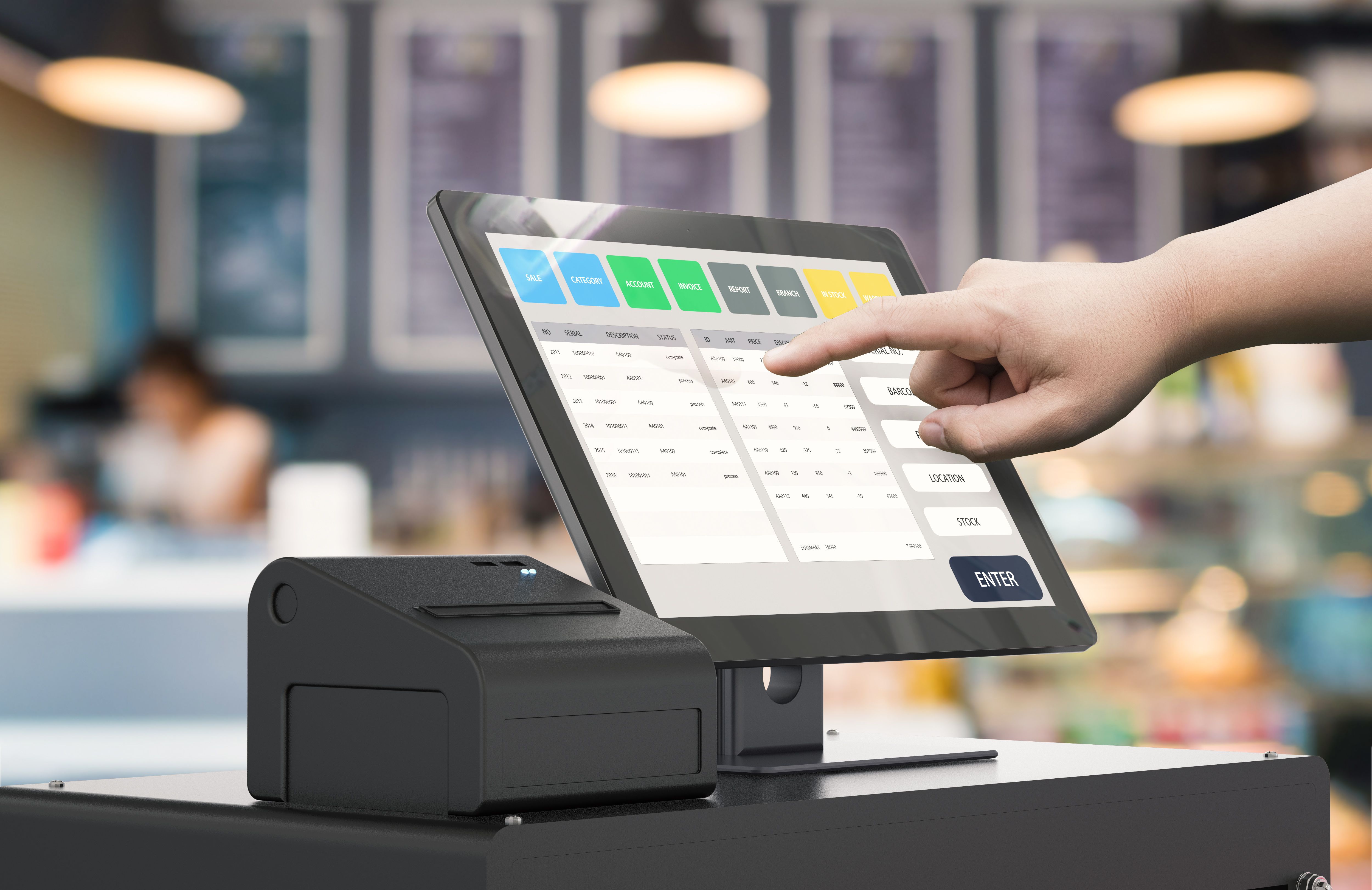
Once your payment integration is in place, continuous monitoring and optimization are crucial. Analyze transaction data to identify potential issues and improve the checkout process. Regularly updating your payment gateway and staying informed about new technologies can keep your e-commerce business ahead of the competition.
Implementing effective e-commerce payment integration strategies is essential for the success of small businesses. By focusing on security, user experience, and continuous improvement, you can enhance your online store’s performance and build lasting relationships with your customers.