
Ensuring Secure Business Transactions: Tips for Small Businesses
MH
Understanding the Importance of Secure Transactions
In today's digital age, ensuring secure business transactions is not just a luxury—it's a necessity. For small businesses, safeguarding financial transactions can protect against fraud, data breaches, and financial loss. By implementing robust security measures, small business owners can build trust with their customers and partners, ultimately fostering long-term business relationships.

Adopt Secure Payment Solutions
One of the first steps in ensuring secure transactions is choosing the right payment solutions. Look for providers that offer end-to-end encryption and tokenization. These features protect sensitive data by replacing it with unique identifiers that are useless to attackers. Additionally, opt for payment gateways that comply with the Payment Card Industry Data Security Standard (PCI DSS). This compliance ensures that your business follows industry-standard security protocols.
Implement Multi-Factor Authentication
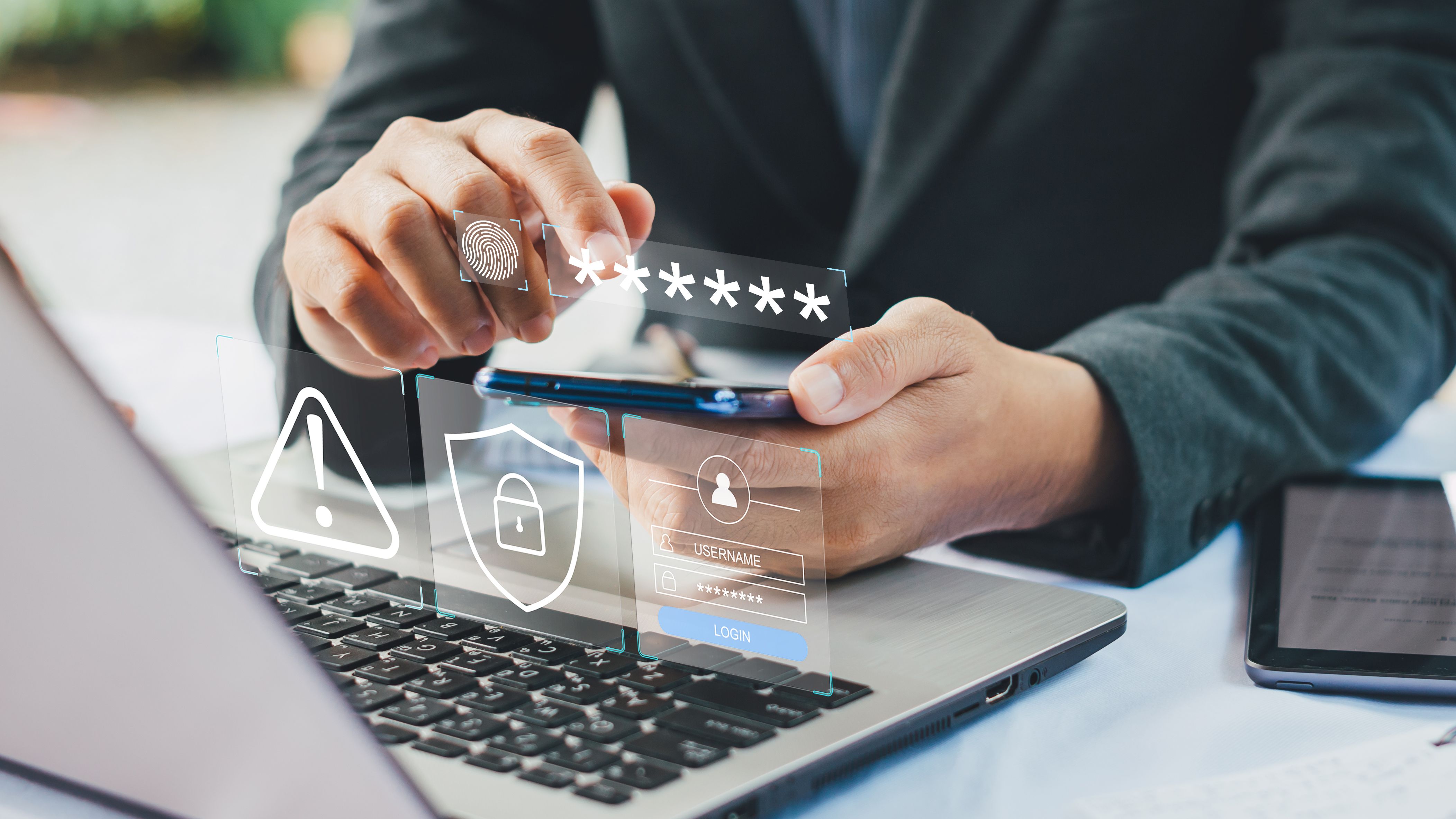
Multi-factor authentication (MFA) adds an extra layer of security by requiring users to provide two or more verification factors to access systems or complete transactions. This could include something they know (password), something they have (smartphone), or something they are (fingerprint). By implementing MFA, small businesses can significantly reduce the risk of unauthorized access and protect sensitive transaction data.
Regularly Update Software and Systems
Keeping software and systems up to date is a crucial aspect of maintaining transaction security. Software updates often include patches for security vulnerabilities that cybercriminals could exploit. Ensure that all your systems, including payment processing software and any connected devices, are regularly updated to the latest versions. Automate updates where possible to ensure nothing is overlooked.
Educate Your Employees
Your employees can either be your strongest defense or your weakest link in ensuring secure transactions. Regularly train your staff on the importance of security and best practices for preventing data breaches. This should include recognizing phishing attempts, creating strong passwords, and securely handling customer information. An informed team is better equipped to spot potential threats and act accordingly.

Monitor Transactions and Set Alerts
Proactively monitoring transactions can help small businesses detect suspicious activity early. Use tools that provide real-time transaction tracking and set up alerts for unusual or large transactions. This immediate awareness allows for quick response actions, potentially mitigating fraud or data compromise before it escalates.
Have a Response Plan
No matter how robust your security measures are, there's always a risk of a breach. Having a response plan in place ensures that your business can act swiftly to minimize damage. Your plan should include steps for containment, assessment of the breach’s impact, notification of affected parties, and measures for preventing future incidents. Regularly review and update this plan to reflect new threats and business changes.
Build Trust with Transparency
Lastly, transparency with your customers about the measures you take to ensure secure transactions can build trust and loyalty. Clearly communicate your security policies and any steps you're taking to protect their data. Offering assurances through certifications or testimonials can further enhance customer confidence in your business’s commitment to security.